
Tirupati
Tirupati is one of India’s most important Hindu pilgrimage centres, renowned as the gateway to the hill shrine of Lord Venkateswara at Tirumala and as a historic Vaishnava centre shaped over many centuries by South Indian dynasties and, more recently, by its role in the economy of Andhra Pradesh. Religious and spiritual background
Tirupati is revered as the earthly abode of Lord Venkateswara, a form of Lord Vishnu believed to have manifested in the Kali Yuga to guide devotees towards liberation. The Tirumala hills, often called the “Seven Hills” of Seshachalam, are mentioned in ancient texts and are second in importance only to Srirangam within the southern Vaishnava tradition, with temple rituals systematised by the philosopher-saint Ramanujacharya in the 11th century.
The Venkateswara temple attracts millions of pilgrims annually, making Tirumala–Tirupati one of the world’s richest and busiest pilgrimage centres. Devotional poets like the Alvars and Tallapaka Annamacharya praised the hills, streams and rocks of Tirupati as a manifestation of the divine, reinforcing its image as “heaven on earth” in South Indian bhakti literature.
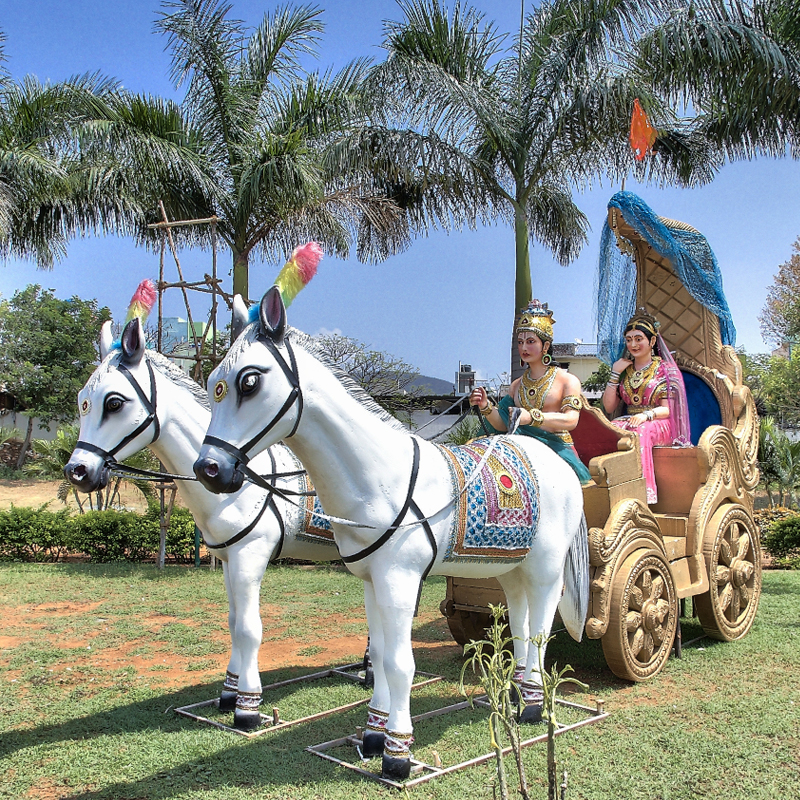
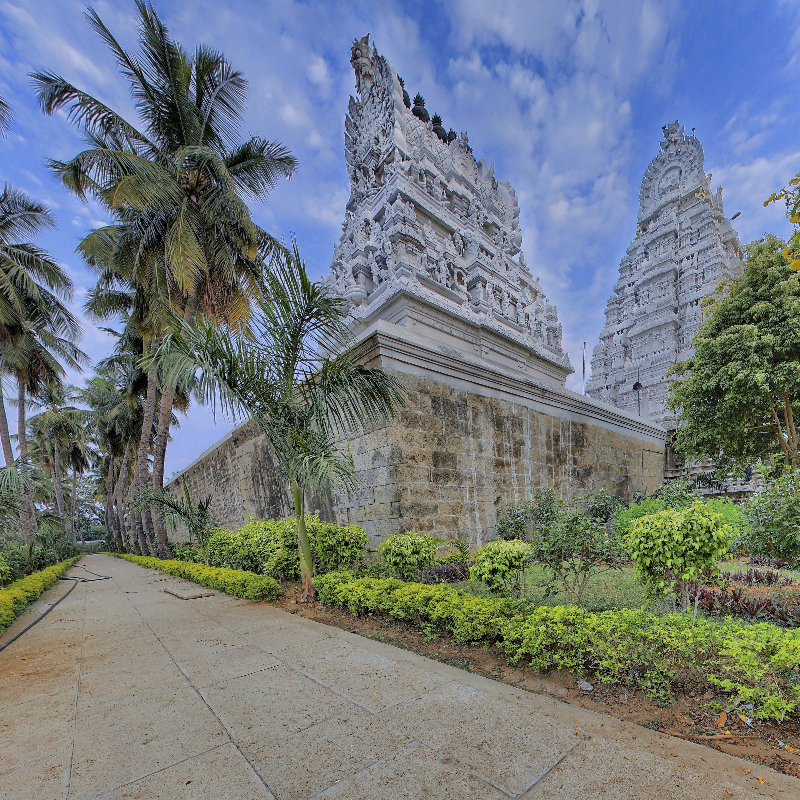
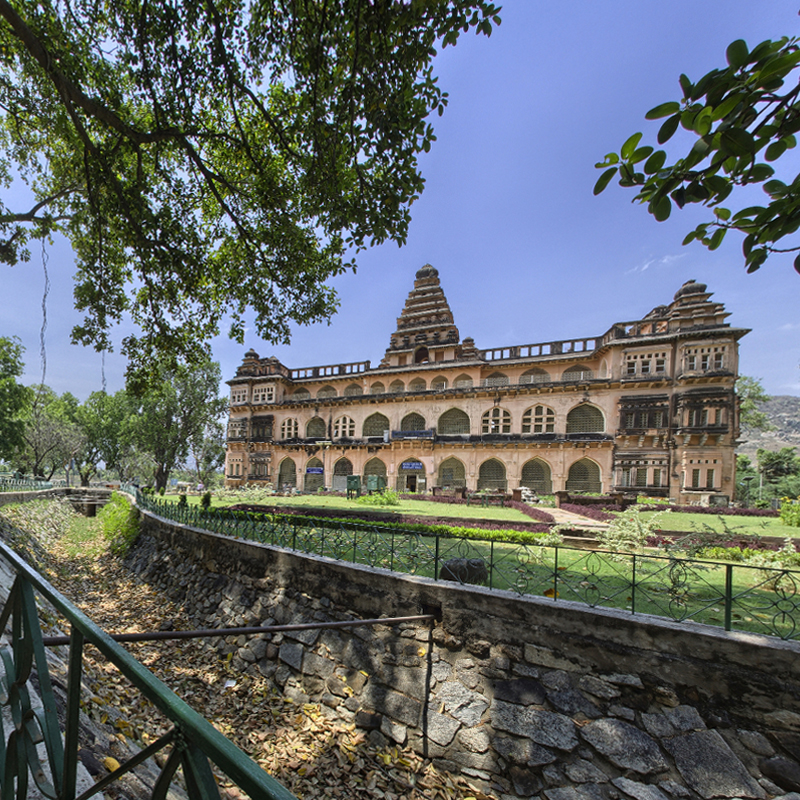
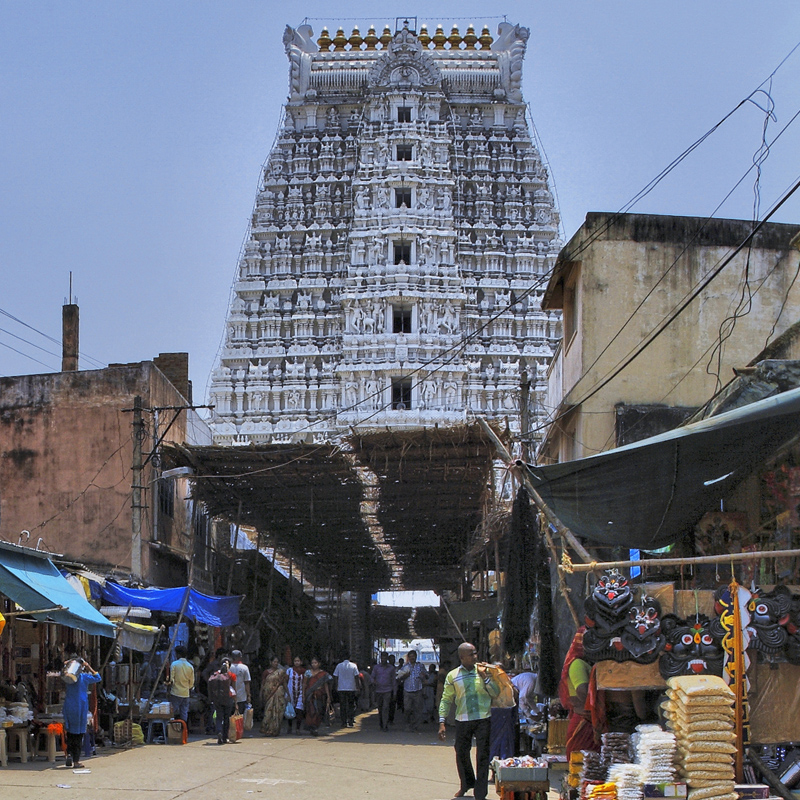
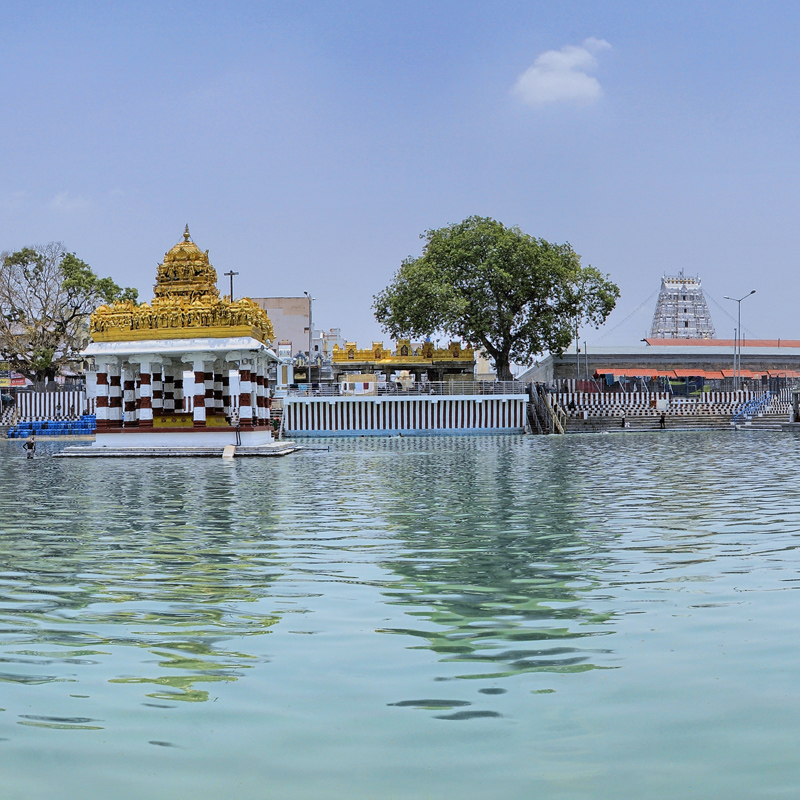
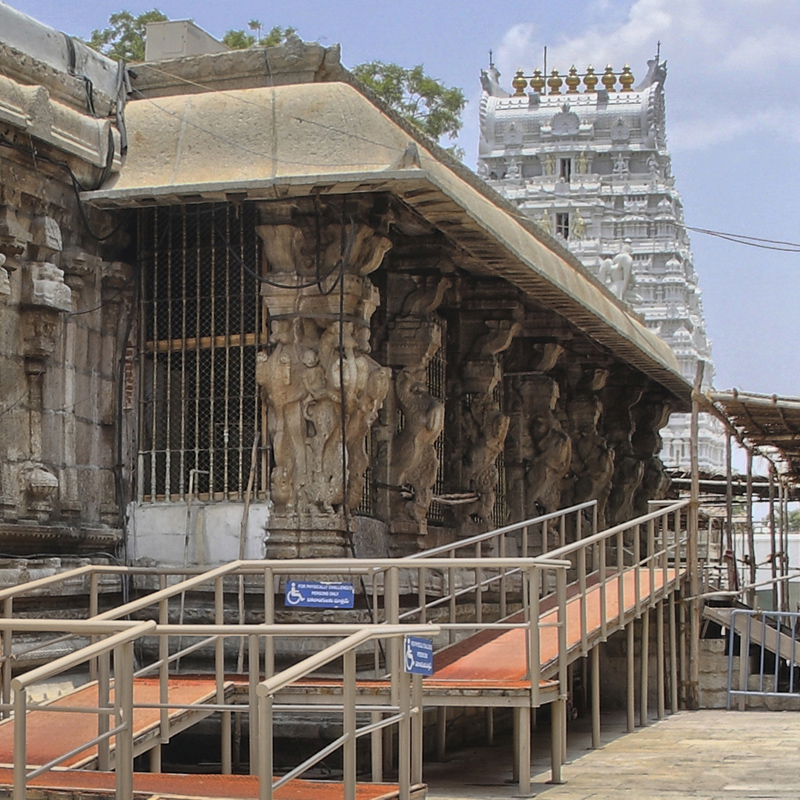


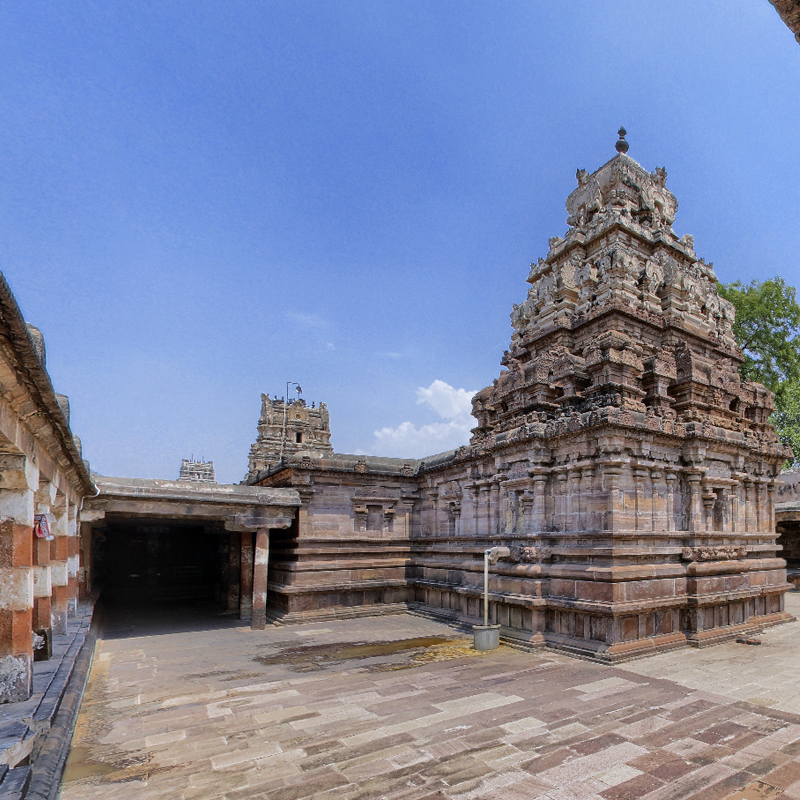
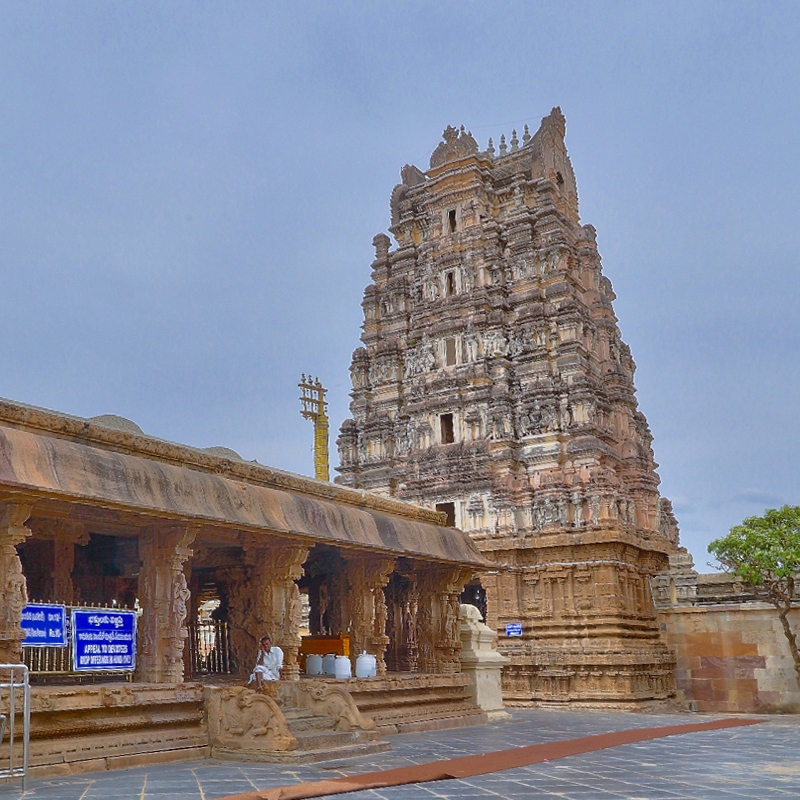
Epigraphic and literary evidence shows that the Tirupati region was known in early historic times and later came under the Satavahanas, Pallavas, Cholas, Pandyas and local Telugu chieftains, all of whom supported and expanded the shrines at Tirumala and Tirupati. From about the 6th century, Pallava rulers developed the town and temple, after which Chola inscriptions and endowments in the 10th–11th centuries record further construction and gifts.. Under the Vijayanagara Empire, particularly the reign of Krishnadevaraya in the 16th century, the temple received lavish donations of land, jewels and structures, firmly establishing its prosperity and fame. Later, the site passed through the hands of various powers including regional Nayakas, Marathas and colonial administrators, yet continued as a protected pilgrimage centre with its religious functions largely preserved.
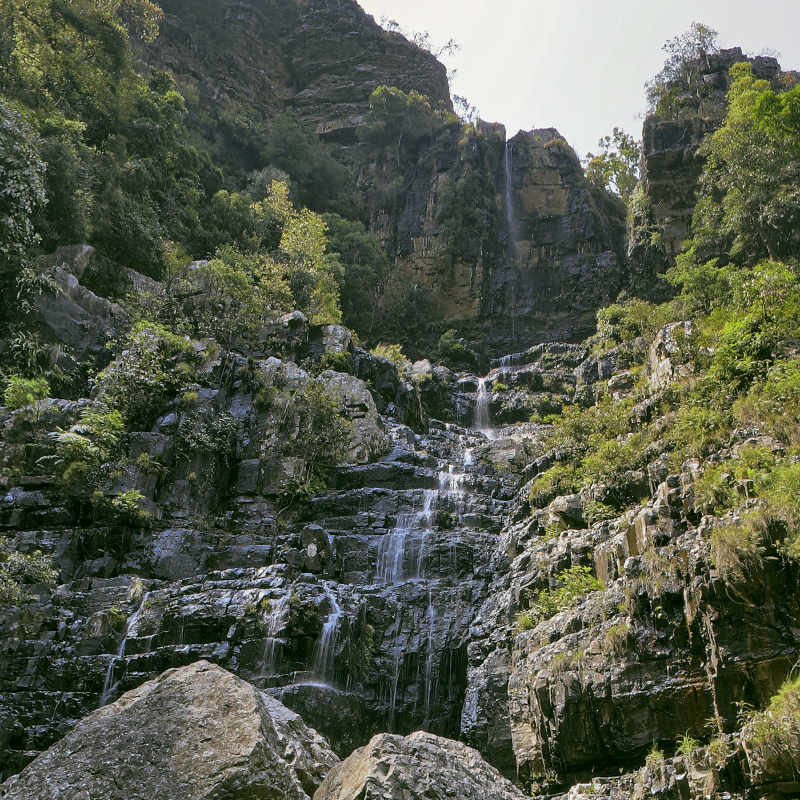
Almost every major dynasty of the southern peninsula made endowments to Lord Venkateswara’s shrine, either in the form of temple construction, gopurams, mandapams, or income-bearing lands. Pallava and Chola kings left numerous inscriptions recording donations for daily worship and festivals, while the Yadavarayas and Pandyas also commissioned structural additions around the sacred complex. The Vijayanagara rulers, especially Krishnadevaraya, are remembered for repeated visits and substantial gifts that transformed the temple architecturally and economically, a legacy that still defines the monumental look of Tirumala today. In the modern period, institutional management under Tirumala Tirupati Devasthanams (TTD) has systematised these royal traditions into a large, organized religious trust that channels offerings into temple upkeep, charity, education and healthcare. Tirupati lies at the foot of the Seshachalam Hills in southern Andhra Pradesh, with the hill town of Tirumala about 10 km to the northwest, forming a transition from the coastal plains to the Eastern Ghats. The Seshachalam range is recognised for its forest cover and red sanders (red sandalwood), a high-value endemic timber whose protection and regulation have become a significant environmental and law‑enforcement issue. Geo‑politically, Tirupati is today the “spiritual capital” of Andhra Pradesh and the headquarters of Tirupati district, giving it weight in state politics, administration and regional identity. After state bifurcation, Andhra Pradesh has projected Tirupati as a key node for education and knowledge institutions alongside its religious prominence, hosting universities, IISER Tirupati and other national institutes. The wider Andhra Pradesh region, in which Tirupati sits, is rich in mineral resources such as limestone and significant potential for hydro and renewable power, supporting industrial and infrastructure growth across the state. Within Tirupati district, the economy combines pilgrimage-driven services—hospitality, transport, prasadam production, small-scale crafts—with agriculture and emerging sectors like education and healthcare. Religious tourism around Tirumala–Tirupati generates substantial revenue and employment, making it one of the main economic engines for the district and an important contributor to state finances. Current development plans position Tirupati as both a major pilgrimage destination and a growing urban centre, integrating conservation of its hill ecosystems with expansion of transport, IT, and institutional infrastructure.Historical evolution
Rulers’ and kings’ contributions
Geographical and geo‑political setting
Economy and natural resources till date